bblackford@orangetagstudios.com
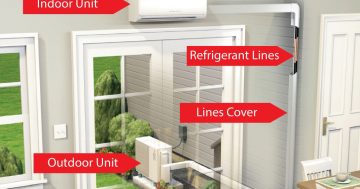
Yes, ductless systems can work very well in older homes. In many cases, they are one of the most practical heating and cooling options because they do not require existing ductwork and can be installed with far less disruption than a traditional central HVAC system.
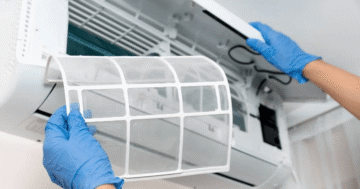
Indoor air quality has a bigger impact on your home than many people realize. If the air inside feels dusty, stale, dry, or hard to breathe, it can affect your comfort, sleep, allergies, and even the performance of your HVAC system. The good news is that there are practical ways to improve indoor air quality and make your home feel healthier and more comfortable year-round.
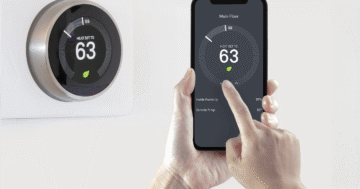
A smart thermostat is one of the simplest upgrades you can make to improve comfort, control, and energy efficiency in your home. While it may seem like a small change, the right thermostat can make a noticeable difference in how your HVAC system performs every day.
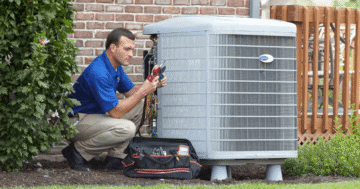
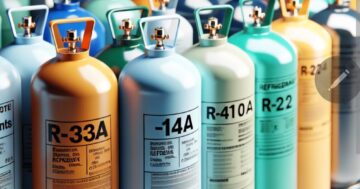
Your HVAC system depends on the right refrigerant charge to cool properly and run efficiently. When refrigerant levels are off, performance starts to slip — sometimes gradually, sometimes fast. The problem is that many homeowners notice the symptoms without realizing refrigerant may be the reason behind them.
If some rooms in your home feel cool and comfortable while others stay warm and stuffy, you are not imagining it. Uneven cooling is one of the most common air conditioning problems homeowners deal with, especially during peak summer months.
When your HVAC system is not cooling or heating the way it should, many homeowners assume the fix is simple. Add refrigerant. Replace a part. Get the system running again and move on.
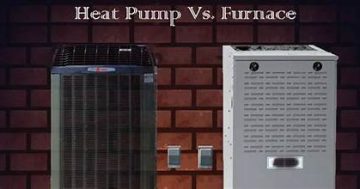
Choosing between a heat pump and a furnace is one of the biggest decisions homeowners make when updating their heating system. Both can keep your home warm through a New Jersey winter, but they work differently and each has strengths depending on your home, energy source, and comfort priorities.
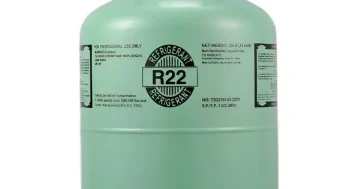
If your air conditioner is older, there is a chance it may still use R-22 refrigerant. For many homeowners, that becomes a concern only when the system stops cooling properly or a technician mentions that refrigerant is expensive or difficult to replace. At that point, the question usually comes up fast: should you keep repairing the system, or is it time to think about an R-22 conversion or replacement?
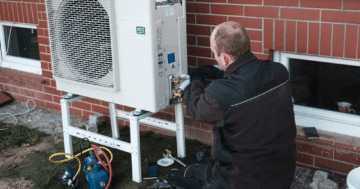
Your air conditioner depends on refrigerant to remove heat from your home and keep indoor temperatures comfortable. When refrigerant levels are wrong or the refrigerant cycle is not working the way it should, your AC can lose efficiency, struggle to cool properly, and put extra stress on important components.
Uneven cooling is one of the most common air conditioning problems homeowners deal with. One room may feel perfectly comfortable while another stays warm and stuffy no matter how low you set the thermostat. In some homes, upstairs rooms never cool properly while downstairs areas feel fine. In others, certain rooms always seem to get weak airflow or hold onto heat longer than they should.