How to Improve Indoor Air Quality at Home

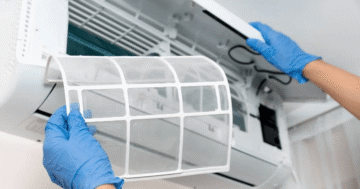
Indoor air quality has a bigger impact on your home than many people realize. If the air inside feels dusty, stale, dry, or hard to breathe, it can affect your comfort, sleep, allergies, and even the performance of your HVAC system. The good news is that there are practical ways to improve indoor air quality and make your home feel healthier and more comfortable year-round.

Benefits of Installing a Smart Thermostat

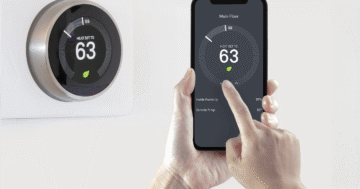
A smart thermostat is one of the simplest upgrades you can make to improve comfort, control, and energy efficiency in your home. While it may seem like a small change, the right thermostat can make a noticeable difference in how your HVAC system performs every day.

What Homeowners Should Know About R-22 Conversion

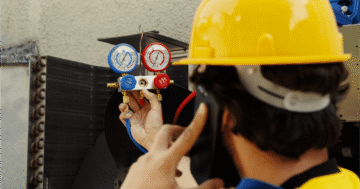
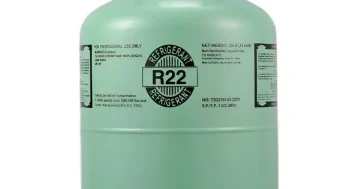
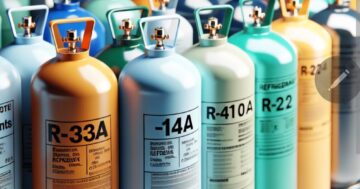
If your air conditioner is older, there is a chance it may still use R-22 refrigerant. For many homeowners, that becomes a concern only when the system stops cooling properly or a technician mentions that refrigerant is expensive or difficult to replace. At that point, the question usually comes up fast: should you keep repairing the system, or is it time to think about an R-22 conversion or replacement?

How Refrigerant Problems Affect AC Performance

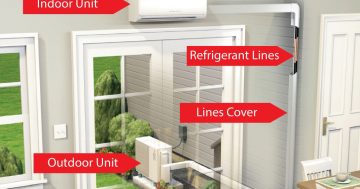
Your air conditioner depends on refrigerant to remove heat from your home and keep indoor temperatures comfortable. When refrigerant levels are wrong or the refrigerant cycle is not working the way it should, your AC can lose efficiency, struggle to cool properly, and put extra stress on important components.

What Causes Uneven Cooling in a Home

Uneven cooling is one of the most common air conditioning problems homeowners deal with. One room may feel perfectly comfortable while another stays warm and stuffy no matter how low you set the thermostat. In some homes, upstairs rooms never cool properly while downstairs areas feel fine. In others, certain rooms always seem to get weak airflow or hold onto heat longer than they should.

1 2