Your air conditioner depends on refrigerant to remove heat from your home and keep indoor temperatures comfortable. When refrigerant levels are wrong or the refrigerant cycle is not working the way it should, your AC can lose efficiency, struggle to cool properly, and put extra stress on important components.
Refrigerant problems often develop quietly. The system may still run, but its performance starts to drop in ways that affect comfort, energy use, and long-term reliability.
Refrigerant Is Essential to the Cooling Process
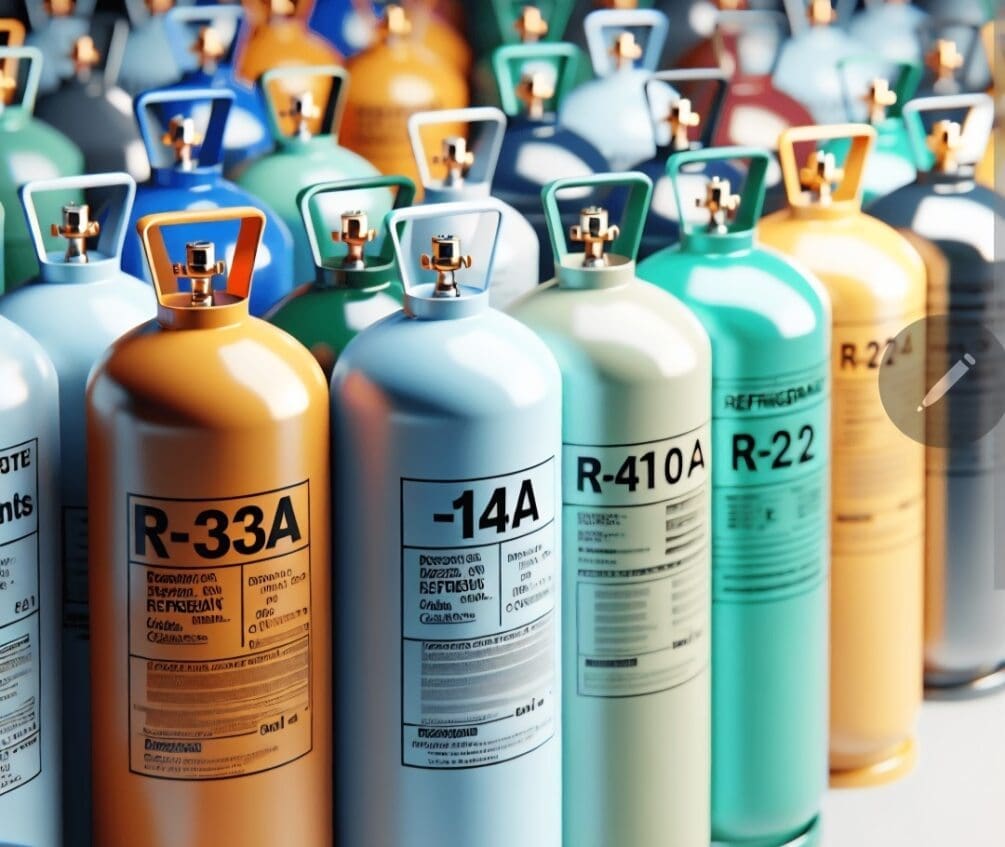
Refrigerant is the substance your air conditioning system uses to absorb heat from inside your home and release it outside. Without the correct refrigerant charge, your system cannot transfer heat effectively.
That means your AC may continue turning on and off, but it will not cool your home the way it was designed to.
Cooling Performance Starts to Drop
One of the first signs of a refrigerant problem is reduced cooling performance. Your system may run longer than normal, but the air coming from the vents may not feel cold enough. Some rooms may stay warm, and your home may take much longer to reach the temperature set on the thermostat.
This often happens when refrigerant levels are low or the charge is not balanced properly.
Energy Bills Can Increase
When refrigerant problems affect performance, your system has to work harder to do the same job. Longer run times and reduced efficiency usually lead to higher energy use.
If your AC seems to be running more often than usual and your utility bills are climbing without a clear reason, refrigerant issues may be part of the problem.
Your Home May Feel Humid and Uncomfortable
Air conditioning does more than cool the air. It also helps remove humidity from your home. When refrigerant problems interfere with the cooling cycle, moisture removal can suffer too.
That can leave your home feeling damp, sticky, or uncomfortable even when the system appears to be running.
The Compressor Can Be Put at Risk
The compressor is one of the most important and expensive parts of your air conditioning system. When refrigerant charge is incorrect, the compressor can be forced to operate under extra strain.
Over time, this added stress can lead to overheating, wear, and eventual failure. What starts as a refrigerant issue can turn into a much more expensive repair if ignored too long.
Ice Can Form on the System
Low refrigerant levels can sometimes cause the evaporator coil to become too cold, which may lead to ice buildup. When that happens, airflow becomes restricted and cooling performance drops even more.
Some homeowners notice ice on the refrigerant lines or indoor coil and assume the system is cooling well because it is cold. In reality, ice is usually a warning sign that something is wrong.
Small Problems Can Turn Into Bigger Repairs
Refrigerant issues rarely fix themselves. If the system is low on refrigerant, there is usually an underlying problem such as a leak or an improper charge from a previous service. Continuing to run the system in that condition can create more wear on parts and lead to more serious breakdowns later.
Catching refrigerant problems early helps protect both comfort and equipment.
Proper Diagnostics Matter
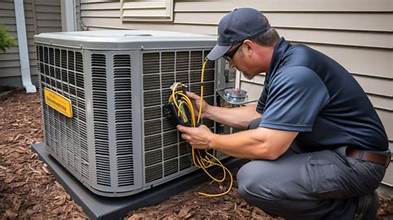
Refrigerant should never be treated as a guesswork issue. A professional technician should measure system pressures, superheat, and subcooling levels to see exactly how the system is performing. That is the only reliable way to know whether refrigerant is part of the problem.
Simply adding refrigerant without proper testing can lead to more issues instead of solving the real one.
Get Your AC Checked Before Performance Gets Worse
If your air conditioner is not cooling like it should, is running longer than normal, or is leaving your home humid and uncomfortable, refrigerant problems may be affecting performance. Addressing the issue early can improve comfort, reduce energy waste, and help prevent major repairs.
Superheat & Subcooling HVAC helps homeowners across New Jersey diagnose refrigerant-related AC problems with precision and care. If your system is not performing the way it should, contact our team today to schedule a professional cooling diagnostic.